
Chimney Fire Warning Signs: How to Know You Had One (Even If You Didn't See It)
Most chimney fires aren't dramatic. They burn silently, damage the flue, and go undetected until the next fire finishes the job. Here's what to look for.
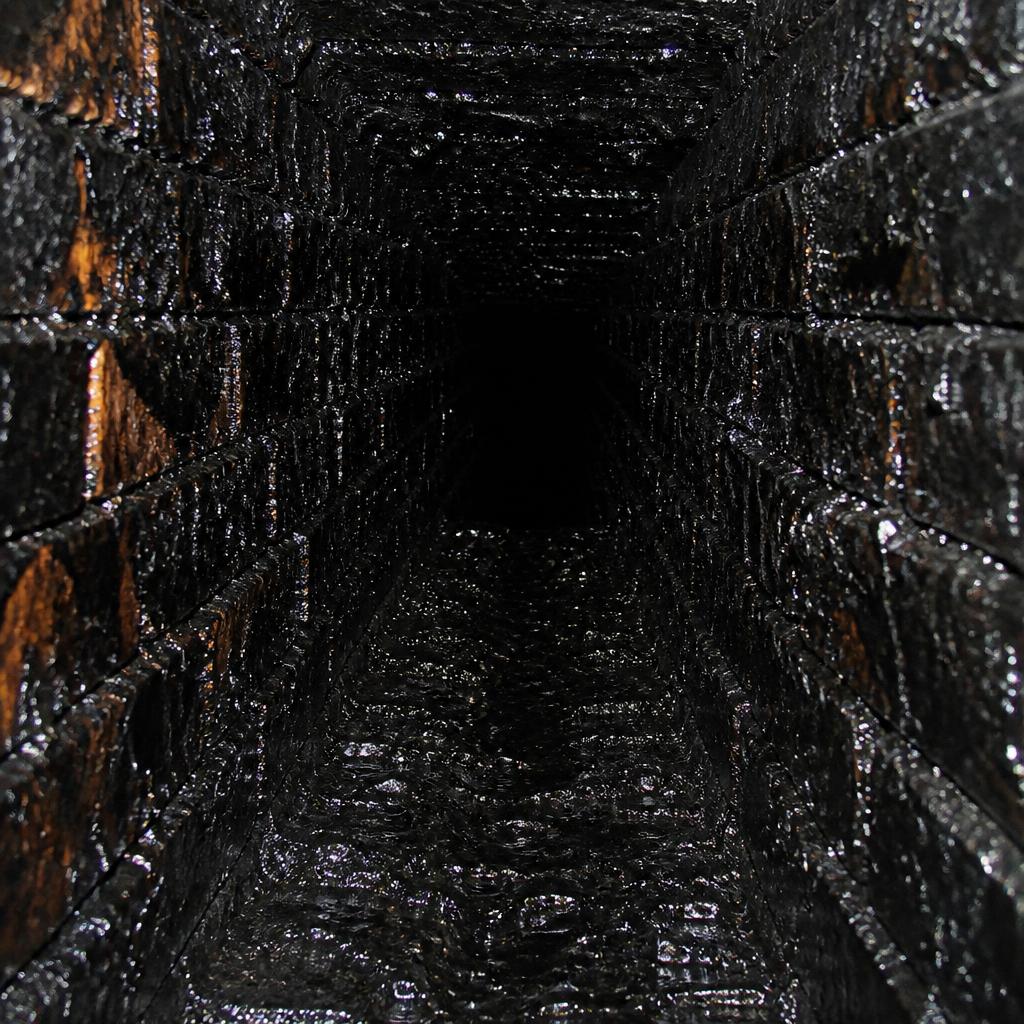
The dramatic roaring chimney fire in movies is the exception, not the rule. Most chimney fires are slow, silent burns that damage the flue tile and the surrounding masonry — then go out on their own without anyone noticing. The next time a fire is lit, the compromised flue can leak flame or heat directly into wall framing. Here are the 10 signs sweeps look for on a post-fire Level 2 inspection.
Why silent chimney fires are dangerous
A chimney fire happens when built-up creosote inside the flue ignites. Temperatures reach 2,000°F+ in seconds — far above what clay tile flues (rated ~1,800°F short-term) are designed to survive. The tile cracks, the mortar joints fail, and heat can now escape through the chimney walls into wood framing on subsequent fires. This is how house fires happen weeks after the original chimney fire.
The 10 warning signs
1. Puffy, honeycomb-textured creosote
Healthy creosote is flaky or glazed. Post-fire creosote looks like burnt marshmallow — puffy, gray, honeycomb-textured. A camera scan spots this immediately.
2. Cracked or spalled flue tiles
Sudden thermal shock breaks clay tile. Cracks are usually vertical, sometimes horizontal, sometimes chunks are missing.
3. Warped or discolored damper
Cast iron dampers turn blue or purple from extreme heat. Steel dampers warp out of true.
4. Cracked or discolored chimney crown
Look at the crown. Fresh cracks, discoloration, or spalled concrete are signs of extreme flue temperature that transferred outward.
5. Roofing material near the chimney is scorched
Shingles adjacent to the flue may show discoloration, curling, or melted asphalt on the courses closest to the crown.
6. Chunks of creosote or tile in the smoke shelf
A post-fire inspection almost always turns up debris in the smoke shelf that wasn't there before.
7. Smoke smell in upstairs rooms that don't share the fireplace wall
Heat leakage from a compromised flue can push smoke or creosote odor into unrelated parts of the house.
8. A sudden decrease in draft
If a fireplace that drafted fine last month now smokes into the room, a partial internal collapse is likely.
9. Discolored or blistered wallpaper / paint on adjacent walls
Heat conducted through masonry can bubble finishes on walls sharing the chimney chase — often in a closet or upstairs room.
10. A neighbor mentioned "loud crackling" or seeing sparks above your chimney
Neighbors often see and hear what you didn't — especially at night.
What a post-fire Level 2 inspection includes
- Full-length camera scan of every flue
- Rooftop crown, cap, and flashing examination
- Firebox, damper, and smoke chamber inspection
- Attic and chase inspection where accessible
- Written report with photo and video documentation
- Insurance-ready findings letter if damage is present
If you suspect a chimney fire
- Do not use the fireplace until it's been inspected
- Call for a Level 2 inspection — most sweeps schedule these within 48 hours
- Notify your homeowner's insurance carrier; most policies cover chimney fire damage
- Save the report — if you sell the home, buyers' inspectors will ask
The cheapest prevention
Sweep before 1/8 inch of creosote builds up. That's the NFPA 211 threshold, and it's the difference between annual maintenance and calling an insurance adjuster.
Need Help With Your Chimney or Fireplace?
Live dispatcher, seven days a week — nationwide.