
Fireplace Inspection Before Buying a Home: What to Demand
The general home inspector didn't check your chimney. Here's why a separate Level 2 inspection saves buyers thousands — and how to use it.
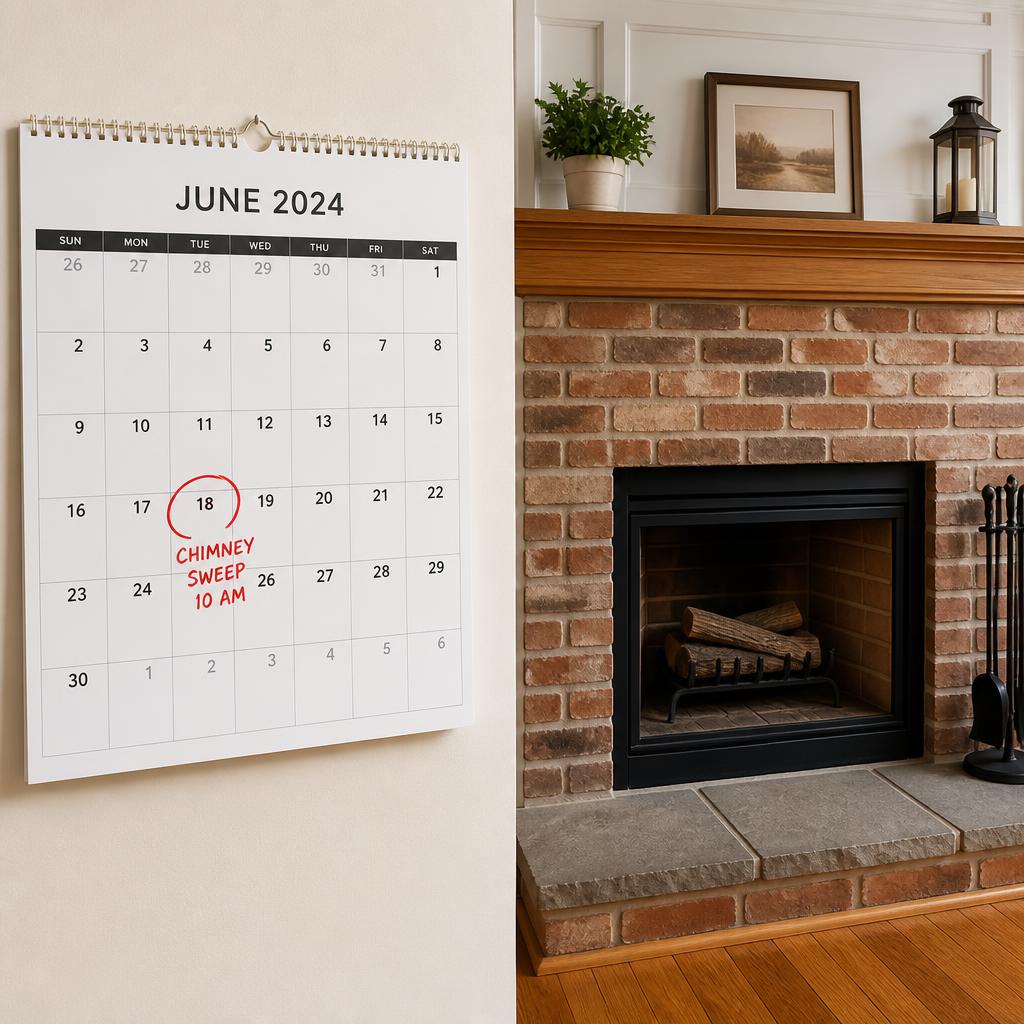
Every year we get calls from new homeowners who lit their first fire, filled the house with smoke, and discovered a $6,000 repair the general home inspector never mentioned. Here's why that keeps happening — and how a proper pre-purchase chimney inspection prevents it.
Why the general inspector missed it
A residential home inspector's chimney check is, by their own standards, visual and from ground level. That means:
- No rooftop climb
- No camera scan of the flue
- No firebox interior examination beyond a flashlight peek
- No draft or smoke test
NFPA 211 specifically requires a Level 2 inspection any time a property changes hands. Almost no general home inspection package includes one. The industry knows this. The paperwork usually says "chimney recommended for further evaluation" in fine print.
What a Level 2 pre-purchase inspection actually covers
- Full rooftop inspection: crown, cap, chase cover, flashing
- Camera scan of every flue from top to bottom
- Firebox and damper condition, refractory panels, smoke shelf
- Accessible portions of chimney chase in attic and basement
- Documented photos and video of every finding
- Written report you can share with the seller and your agent
Typical cost: $325 – $525 — cheap insurance on a purchase this size.
Common findings that change negotiations
Real findings we see on pre-purchase inspections, and what they typically cost to fix:
- Cracked clay flue tiles: $2,500 – $6,500 to reline
- Corroded or missing chimney cap: $350 – $650
- Cracked or failed chimney crown: $450 – $1,800
- Spalled brick / deteriorated mortar: $1,500 – $8,000
- Rusted damper or missing top-sealing damper: $250 – $850
- Improperly sized or unlined flue (older homes): $3,500 – $9,000
- Prior chimney fire damage: varies wildly, sometimes total rebuild
How to use the report
Send the report with photos to your agent. Most sellers will negotiate on documented safety findings — especially when they're backed by video from a certified sweep. Ask for a credit at closing rather than repair completion; contractors under seller pressure cut corners.
Timing
Schedule the inspection during the standard due-diligence window, ideally same day or day after the general home inspection. Coordinate roof access with the general inspector to avoid two ladder setups.
Bottom line
$400 spent before closing has saved buyers $6,000+ more times than we can count. If the house has a fireplace or wood stove, it deserves a Level 2 inspection — period.
Need Help With Your Chimney or Fireplace?
Live dispatcher, seven days a week — nationwide.