
Wood Stove Installation: Clearances, Liners, and Real 2026 Costs
Buying a wood stove is the easy part. Getting it installed to code, drafting properly, and passing inspection — that's where sweeps come in.
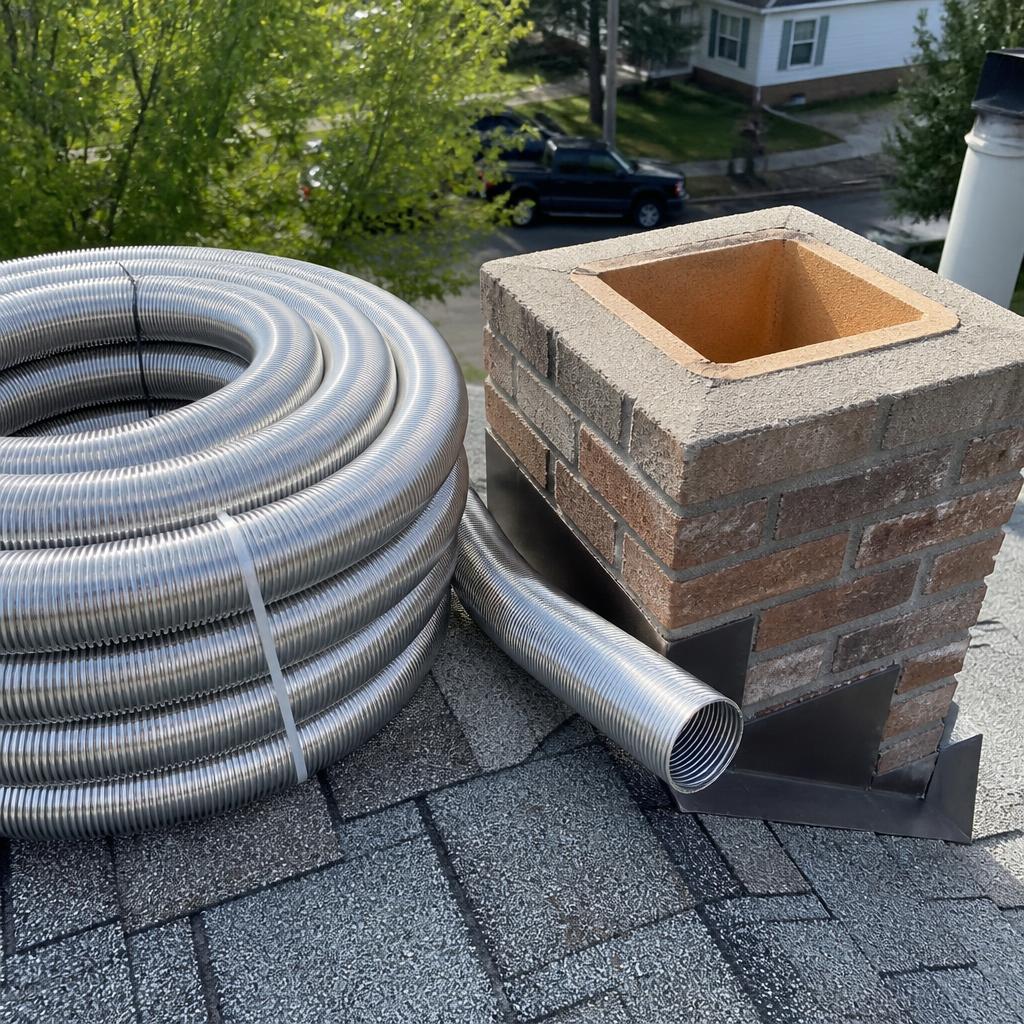
A wood stove is one of the most efficient ways to heat a house — a modern EPA-certified unit will burn 30–40% less wood than an open fireplace for the same output. But installing one is where most homeowners get burned (literally and financially). Here's the real 2026 install picture from the technicians who do this weekly.
The four install scenarios
Cost depends less on the stove and more on where it's going.
Scenario 1: Freestanding stove into an existing masonry fireplace
Easiest and most common. The stove sits on the hearth; a stainless liner drops down the existing flue.
- Stove: $1,800 – $4,500
- Stainless liner (insulated, full length): $1,200 – $2,400
- Hearth pad extension + trim: $250 – $700
- Install labor + permit: $600 – $1,200
- Total: $3,850 – $8,800
Scenario 2: Insert into a masonry fireplace
Slide-in insert with a matching surround. Adds efficiency without changing the room.
- Total installed: $4,500 – $9,500
Scenario 3: Freestanding stove with new Class-A chimney (no existing flue)
Full stainless double- or triple-wall pipe up through the ceiling and roof.
- Class-A chimney system (16–20 ft): $1,800 – $3,500
- Roof flashing, storm collar, cap: $250 – $500
- Install labor: $900 – $1,800
- Total: $5,000 – $10,500
Scenario 4: Basement stove with tall exterior chimney
Toughest scenario. Long cold flue = poor draft. Requires insulated liner + often a top-draft inducer.
- Total installed: $6,500 – $13,000
Clearances that trip people up
Every EPA-certified stove has published clearance-to-combustibles specs in the manual. The most common failures:
- Rear clearance to wall: typically 12–36 inches unshielded
- Side clearance to combustible trim: 18–24 inches
- Hearth pad extension: 16 inches in front, 8 inches on sides
- Pad R-value: listed R-value must match the manual — a decorative tile hearth usually doesn't count
What a legit install includes
- Manufacturer-spec insulated liner (not a "flex uninsulated will be fine")
- Local permit pulled and passed
- Draft test at commissioning (should read 0.05–0.08 inches water column)
- Smoke leak check at every joint
- CO reading in the room during a full-load burn
- Written homeowner walk-through on damper, primary air, and reload procedure
What to avoid
Any installer who won't pull a permit. Any quote that reuses an uninsulated liner. Any stove installed without a hearth pad matching the manual's R-value. And any tech who leaves without showing you how to read the flue temperature — that gauge is the difference between efficient heat and creosote factory.
Need Help With Your Chimney or Fireplace?
Live dispatcher, seven days a week — nationwide.